
Prime Minister Netanyahu, in many ways the architect of his nation’s extraordinary success, has for long harboured concerns that his country may not survive to celebrate its 100 birthday.
The PM likes to use the Jewish Hasmonean dynasty of 140 BC as his model. The kingdom lasted barely a century before defeat by King Herod the Great. Historians point to its three critical errors. First, its failure to accommodate non-Jewish populations resulted in endless attacks and costly civil wars. Second, a failure to separate the powers of State and Church made tyrants of their rulers and left the population angry and disunited. And finally, the Hasmoneans became dependent on – and ultimately a client state of - a single superpower, Rome. Directly precipitated its downfall.
For more than a decade before Hamas’ attacks in October 2023, the Middle Eastern power balance had been shifting against Israel, fanning the flames of the PM’s concerns. The US, upon whom Israel depends, had long been blowing cold leading Gulf states to question whether alliances with Israel were worthwhile. Iran’s “Axis of Resistance” was seriously threatening Israel’s domestic security and its freedom of manoeuvre in neighbouring states. The view from Jerusalem was bleak.
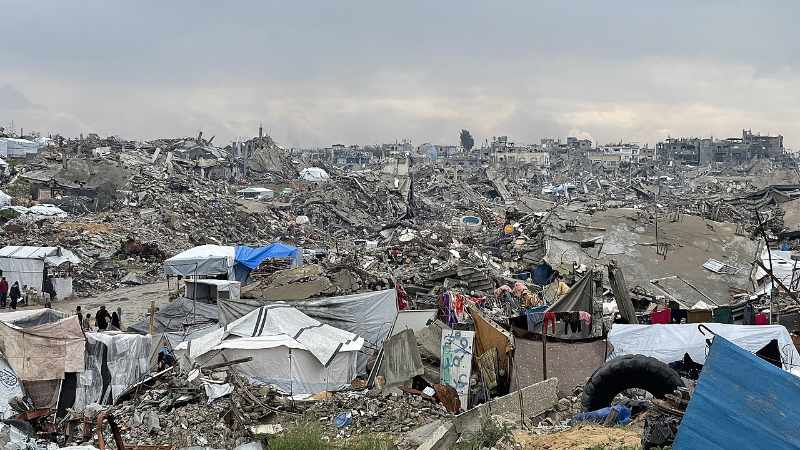
Hamas’ attacks gave Netanyahu the break he needed. The IDF wasted no time in defenestrating Hamas in Gaza, and a ground invasion saw to the deracination of Hizballah in the Shi’a heartlands south of Lebanon’s Litani River. A combined US/Israeli attack damaged Iran’s nuclear programme and activities in Syria initiated a regime change that severed supply lines and divided Iran’s proxies from their sponsor. Under the cover of the war, the government rendered uninhabitable vast swathes of tiny Gaza and killed over 75,000 Gazans (The Lancet). At the same time, it has actively encouraged settlers to accelerate the persecution of West Bank Palestinians, driving hundreds from their historic homes and lands while the IDF looks placidly on.
So security for Israelis has improved, but much like the Hasmoneans, internal threats persist. In addition, a population divided by the conduct of its government teeters on the brink of civil war. The Iranian threat persists, and Israel remains uncomfortably beholden to a superpower.
Israelis grow up in the knowledge that their homeland is a “last chance saloon”. They have been attacked and killed by Arab Palestinians for so long that the shreds of their sympathy drift like fallen leaves amongst the graves of their loved ones on Mount Hermon. Their military doctrine is built on levels of ruthlessness that the west struggles to comprehend. The IDF’s “Dahiya” doctrine openly recommends the use of disproportionate force against civilian targets to deter future attacks. The “Begin” doctrine provides for a pre-emptive attack on any Middle eastern nation attempting to acquire nuclear weapons. And the “Samson” option - the pinnacle of Israeli paranoia - provides for a massive nuclear strike if Israel is in danger of being destroyed.
The gravity of Israel’s actions in Gaza and the West Bank needs no rehearsal. The indiscriminate use of force against a defenceless population with nowhere to hide is simply cowardly. And blatantly illegal. The ill-discipline of IDF troops and their officers are the root of egregious breaches of the Geneva Convention. The contested claims made by Israeli politicians about the conflict are facilitated by a refusal to allow journalists to report first hand on their attacks. The lack of compassion for the starving victims of western supplied bombs and decades of punishing blockades is staggering.
All of this should raise serious questions of the morality of those who continue to call themselves Israel’s allies.
Photo credit:
Photo: Jaber Jehad Badwan, CC BY-SA 4.0, via Wikimedia Commons
Yours sincerely,