
Attacking Iran will reduce the nuclear threat but do the likely catastrophic consequences for Iranians provide sufficient moral justification?
The Middle East, like nature, abhors a vacuum. America’s ill-considered adventurism in Vietnam, Afghanistan and Iraq saw it bogged down in hopeless wars for decades. More than ten years in Vietnam cost 58,000 lives. Afghanistan was 20 years and 2,461 lives. Operation Iraqi Freedom lasted nine years and saw 4,432 fatalities. The subsequent attempt to deliver democracy there resulted in a brutal civil war and the massive expansion of influence by another western enemy – Iran.
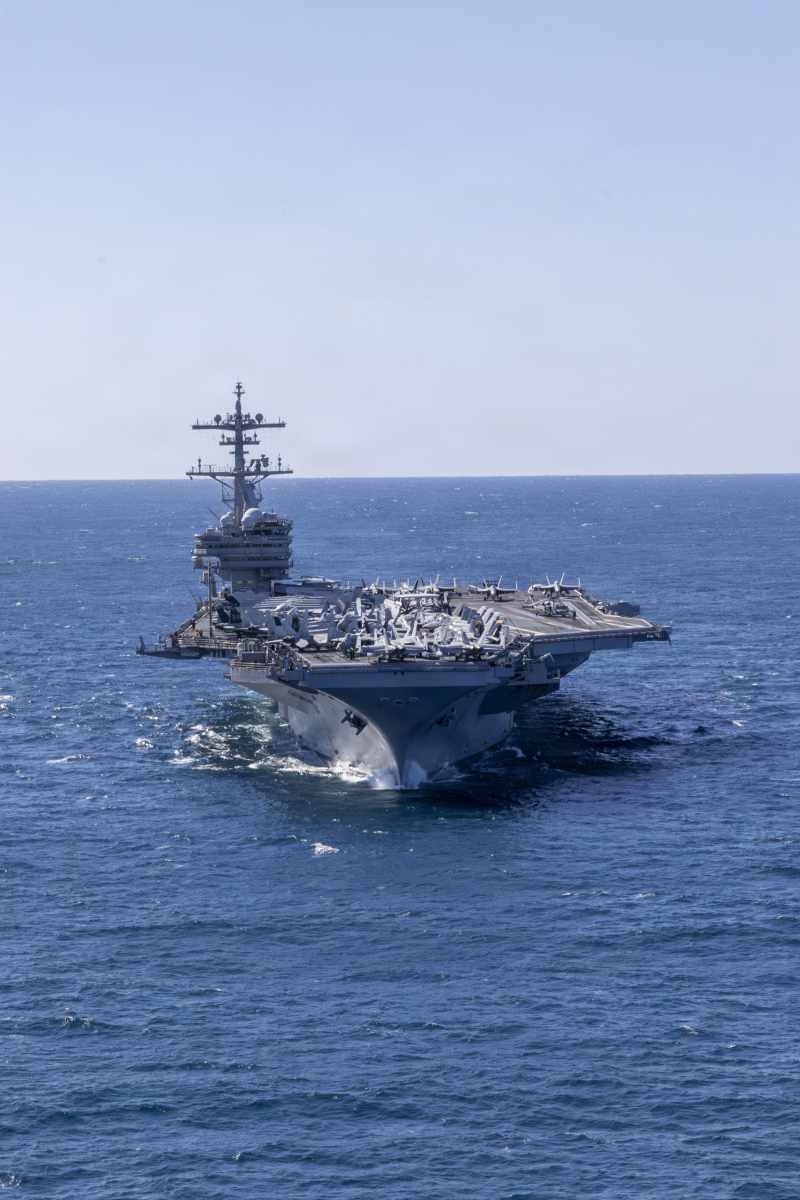
America has long known that “boots on the ground” should be limited to those of light-footed special forces if it is to avoid vast expenditure of both blood and treasure. But that lesson has failed to deter successive administrations from using its unparalleled long range bombing capability. With the powerful US Carrier Abraham Lincoln and its support Group now loitering in the Arabian Sea, and a second likely heading for the eastern Mediterranean, it is bombs that look to be the likely consequence of Iran’s provocative responses to US demands.
Iran’s revolutionary regime is in any case partly the result of Western interference. In 1951, Iranian Prime Minister Mossadegh, in deciding to wrest grasping British hands from control over its oil, triggered an MI6/CIA led attempt at regime change - reinstating Shah Mohammed Reza Pahlavi. The resentment of imperialism this caused was a factor in the Islamic Revolution and the Theocracy that has survived to this day.
Bombing Iran will bring the regime to its knees. The military instruments of its power will deservedly suffer catastrophic damage. But Iran as a nation is unlikely to survive. Opposition to the regime is dislocated, uncoordinated, leaderless and in no position to rule. The people’s reserves have been extinguished by decades of corruption and economic mismanagement. National infrastructure is antiquated and barely functional. Catastrophic mismanagement of water reserves is causing water shortages and widespread subsidence damaging infrastructure and forcing the closure of schools. Urban air quality is so poor that serious thought is being given to evacuating Tehran.
The Iranian regime may well one day pose a nuclear threat to the world. And its missiles are certainly a threat to both Israel, the West’s principal regional ally, and US bases and global trade routes. But a marginal reduction in this threat by means of a bombing campaign, in the absence of any form of coherent post conflict planning, does not provide the West with the moral high ground it needs.
A major US strike will precipitate hardship on a national scale in Iran and a complete collapse in internal security. The security vacuum will quickly be filled by forces the West does not wish to see ascendant. Insecurity will spread, the risk of a wider regional conflict will grow and the great powers will inevitably be drawn in.
nother costly catastrophe looks to be knocking on the world’s door. Powered once again by the hubris of a legacy obsessed US President.
Yours sincerely,